
Lesley (Neifert) Kellogg
LCMHC, LCAS, NCC
Read Lesley’s backgroundPrism Wellness
Ketamine assisted psychotherapy, often shortened to KAP, pairs a carefully managed medicine with the support of a trained therapist. This page is an educational guide. It explains what KAP is, how the process works, how it differs from other forms of ketamine treatment, and what the research does and does not yet tell us. Prism Wellness is a therapy practice in Cary, North Carolina. Our role in KAP is the therapy itself: the preparation before a session, steady presence during it, and the integration work that follows.
Ketamine is a medication first used as an anesthetic. Over the last two decades, researchers and clinicians have studied it at lower doses as a support for mental health care, most of all for depression that has not responded to other treatments. Ketamine assisted psychotherapy is not the medicine on its own. It is the medicine used inside a course of therapy, with a trained clinician helping you prepare beforehand, holding a safe space during the session, and helping you make sense of the experience afterward.
The idea is that ketamine can create a temporary shift in ordinary thinking. For a short window, familiar mental patterns can loosen and feel less fixed. KAP is built around using that window on purpose, with therapeutic support, rather than treating the dose as a standalone procedure. Research on this approach is promising, but it is still developing, and KAP is not the right fit for everyone.
KAP unfolds in three phases, and each one carries real weight.
Preparation. Before any medicine is involved, you meet with your therapist to build trust, set intentions, and understand what to expect. This is also where your medical suitability is confirmed with a prescribing provider. Good preparation is what lets the later sessions feel safe rather than surprising.
Medicine sessions. During a dosing session, you are in a comfortable, supported setting with your therapist present. These sessions run longer than a standard therapy hour. Your therapist is there to keep you safe and grounded, not to steer or interpret the experience while it is happening.
Integration. In the days after a session, you meet again to process what came up and translate it into daily life. Integration is where a moment of insight becomes lasting change. Many clinicians consider it the most important part of the whole process, and it is a big reason the therapy model exists at all.
People often blur together several different treatments that all involve ketamine. They are not the same thing, and the difference is worth understanding before you choose a path.
Intravenous ketamine therapy delivers ketamine through an IV, usually in a medical clinic, and is focused on the biochemical effect of the dose. It generally does not include dedicated psychotherapy before and after each session.
Spravato is a nasal spray form of esketamine, approved by the FDA for certain cases of depression and given in a certified medical setting under monitoring.
Ketamine assisted psychotherapy puts the therapy at the center. The medicine supports the work, and a trained therapist is with you through preparation, the session itself, and integration. Prism offers this psychotherapy model. We are a therapy practice, not an infusion clinic, and we do not prescribe medication.
Ketamine is generally considered safe when it is used in a screened, monitored setting. It is also a real medication with real effects, and honesty here matters more than reassurance.
Common short lived effects during and shortly after a session can include a dreamlike or detached feeling, changes in perception, nausea, dizziness, and temporary rises in blood pressure and heart rate. Most of these ease within a couple of hours. You should not drive after a session, so plan for a ride home ahead of time.
Ketamine is a controlled substance with a potential for misuse. That is one reason the therapeutic model keeps it inside a structured, supervised process rather than in your medicine cabinet. It is also not appropriate for everyone. Certain heart conditions, uncontrolled high blood pressure, a history of psychosis, pregnancy, and some substance use histories can make it unsafe, which is exactly why medical screening comes first.
The safety of KAP does not come from the medicine alone. It comes from the whole structure around it: careful screening, a prepared client, a trained therapist in the room, and integration afterward. That structure is the point.
KAP is usually considered when other approaches have not brought enough relief, for example with depression that has resisted several rounds of treatment. Some people find it opens movement in work that had felt stuck for years. Others are not candidates for medical reasons, or simply prefer a different route. There is no single right answer, and a sound process starts with an honest conversation rather than a sales pitch.
If you are weighing options for stubborn depression, you may also want to read about our therapy for treatment resistant depression, which covers medication and non medication paths side by side. If you are a licensed clinician who wants to offer this work yourself, see our KAP training for clinicians.
In collaboration with local doctor's offices, specially trained therapists at Prism Wellness are able to uniquely support clients who are appropriate for Ketamine treatment. Prism Wellness is not a medication provider, nor will providers at Prism Wellness encourage any medication-based treatment. If an individual is medically assessed and cleared for ketamine treatment, the client may choose to work with a KAP trained therapist to assist in preparation and integration of sessions.
Ketamine, nor Spravato, however, are a cure-all or a quick fix, nor will they work for everyone. It is important to note that while it is exciting that Ketamine and other psychedelics have had an influx in published studies and articles, more studies are needed to confirm long-term efficacy and best practices.
All providers at Prism Wellness are committed to ongoing learning and consultation. Prism coordinates internal bi-weekly consultation, as well as external consultation with pioneers in the field of KAP and Integration when needed. Prism Wellness providers will never encourage a client to engage with Ketamine Assisted Psychotherapy nor promote the use of illegal substances. Prism Wellness providers may explore KAP as an option, along with other treatment modalities, though do not ever endorse one modality over another. All individuals engaging in KAP through Prism Wellness must be working with a medically licensed individual who is responsible for ongoing medical evaluation, Ketamine preparation and administration, and preparation and administration of any ancillary medications. Prism Wellness is able to provide referrals for medical professionals if requested, though does not influence medical outcome in any way.
Lesley also offers Integration Therapy. Integration Therapy can include reflection of a past experience in an non-ordinary state of consciousness. Mindfully exploring your biopsychosocial world experience can bring light into how factors such as family dynamics, trauma history, race, ethnicity, gender, sexual orientation, beliefs about non-ordinary states of consciousness, etc. prior to an experience can reduce the feelings of anxiety or fear a person may have prior to, during, and after the experience.
Integration work post non-ordinary states of consciousness is a critical part in healing that many people forget. non-ordinary states of consciousness may promote neuroplasticity , meaning our brain's ability to create new pathways in our brain to aid us in creating new, healthy and desired patterns and behaviors. If not reinforced, insights gained during a non-ordinary states of consciousness may be reflected on as a memory, but not implemented into one's life and create a lasting change. Working with an integration professional can promote a client's likelihood of maintaining purposeful change.
✓ What integration therapy includes
– What it does not include
KAP sits where medicine meets psychotherapy, so training matters, and so does knowing who is in the room with you. Six clinicians at Prism list ketamine assisted psychotherapy in their work, led by our founder:
LCMHC, LCAS, NCC
Read Lesley’s background
LCMHC-QS
Read Skye’s background
LCMHC, CGP
Read Hollis’s background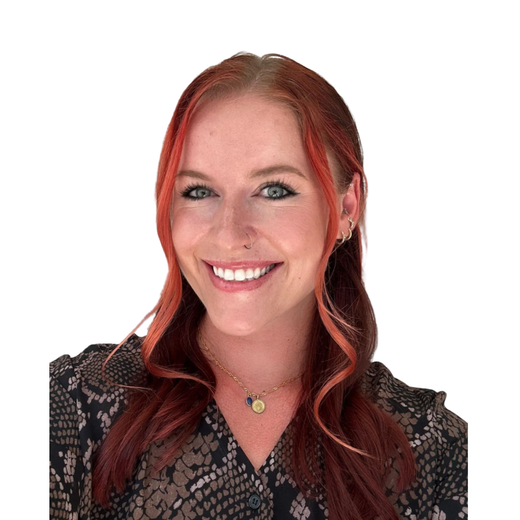
LCMHC
Read Emma’s background
LCMHCA
Read Eliza’s background
Clinical Counseling Intern
Read Skylar’s backgroundMeet the full team on our therapists page.
One point to be clear about from the start: Prism therapists provide the psychotherapy side of KAP. Medical eligibility for ketamine, the prescription itself, and dosing are handled by a licensed medical provider. We are a therapy practice, not a clinic or a prescriber.
Prism Wellness, PLLC currently offers KAP through the following providers:
Lesley has completed 100 hours of training through the Multidisciplinary Association for Psychedelic Studies (MAPS) for MDMA Assisted Psychotherapy, Ketamine Assisted Psychotherapy through Polaris Insight Center, and Preparation and Integration Therapy, and Ketamine Assisted Psychotherapy through Polaris. Lesley continues to pursue in depth and experiential training and actively seeks continuing education through reflecting on research, published books, and podcasts with guest speakers from psychedelic clinical trials.
Lesley equally honors the scientific application of psychedelics as well as the spiritual and ceremonial use. Clients who work with Lesley will explore cultural, spiritual, and natural supports to assist them in their therapeutic journey. Lesley highly values collaboration and maintains reciprocal relationships with a variety of professionals from various backgrounds to promote effective care while honoring culture, race, spirituality, and overall health and wellness. Lesley is a member of the American Psychedelic Practitioners Association.
Those interested in learning more or licensed therapists seeking employment with Prism Wellness to assist in providing psychedelic assisted therapy can reach out to Lesley at Lesley@PrismwellnessNC.com
We would rather you read the evidence than take our word for it. These are the sources our own clinicians train on and return to. Some sit behind publisher paywalls, which we cannot do anything about, but the abstracts are open and the citations are exact.
If a study raises a question about your own situation, bring it to your free consultation. Reading the literature is a good instinct, and it is not the same as knowing whether this fits you. If ketamine turns out not to be the right route, our depression therapy, trauma and PTSD therapy and EMDR therapy cover the same ground by other means.
Before any medicine, you meet with your therapist to build trust, clarify your intentions, and learn what to expect. Your medical suitability is confirmed with a prescribing provider during this phase. Preparation is what makes the later sessions feel safe rather than surprising.
Your therapist stays present through the whole session to keep you safe, grounded, and supported. Dosing sessions usually run longer than a standard therapy hour. The therapist does not direct your experience. Their job is to hold a steady, safe space while it unfolds.
Integration is the follow up work in the days after a session, where you and your therapist make sense of what came up and turn it into practical change. Many clinicians consider integration the most important part of KAP, because insight without integration tends to fade.
During and shortly after a session, people may notice a dreamlike or detached feeling, changes in perception, nausea, dizziness, and short lived rises in blood pressure and heart rate. Most effects pass within a couple of hours, and you should not drive afterward. Because ketamine is a controlled substance, it is used only inside a supervised process.
For screened, appropriate candidates in a monitored setting, ketamine is generally considered safe, though it is not right for everyone. Conditions such as certain heart problems, uncontrolled high blood pressure, a history of psychosis, and pregnancy can make it unsafe, which is why medical screening comes first. The safety of KAP comes from the full structure of screening, preparation, a trained therapist, and integration.
Curious whether ketamine assisted psychotherapy could fit your situation? The next step is a conversation, not a commitment. Schedule a free consultation and we will help you understand your options, including whether KAP or another approach makes more sense for you. To read about the service itself and how to begin, visit ketamine assisted therapy in Cary.
Prism Wellness · 113 Edinburgh South Drive, Suite 130, Cary, NC 27511 · (919) 230-1446