
Phillip Tippett
LCSW, LCAS
Depression · mood · grief and loss · life transitions
Read Phillip’s backgroundPrism Wellness

Depression can make the things you used to care about feel far away. Some days it looks like sadness. Other days it is numbness, low energy, or just going through the motions and wondering why everything feels so heavy. Wherever you are on that spectrum, you are not lazy and you are not failing. You are dealing with something real, and it responds to treatment.
At Prism Wellness, our depression therapists in Cary help you understand what is driving the heaviness and find a way back toward feeling like yourself. You do not have to have the words for all of it before you reach out.
Depression is more than a low mood that passes in a day or two. It is a common and serious condition that changes how you feel, think, sleep, and move through your day. It can show up as ongoing sadness or emptiness, but just as often it looks like fatigue, irritability, trouble concentrating, or losing interest in things that used to matter. Depression can stand on its own, or it can travel with anxiety, grief, or old trauma. If constant worry rides alongside the low mood, our anxiety therapy in Cary can work hand in hand with your depression care.
If you have been searching for a depression therapist near me, reaching out is the hard part, and you are already doing it. We work with adults across Cary, Apex, Morrisville, and the greater Raleigh area, in person at our Cary office and through secure telehealth anywhere in North Carolina.
There is no single right way through depression, so we do not hand everyone the same worksheet. Your therapist starts by understanding what your depression actually looks like and what you want to change, then builds a plan around approaches that fit. Depending on your needs, that plan may draw on:
Depression feeds on thoughts that feel like facts, such as nothing will change or it is my fault. You can be taught to think differently, but if your body does not feel safe, those new thoughts will not land. We help you build a felt sense of safety first, then work on untangling the thought patterns that keep the heaviness in place.
Depression often carries harsh inner voices and parts of you that learned to shut down to cope. IFS helps you meet those parts with curiosity instead of shame, so self criticism loosens its grip.
When depression has narrowed your life, ACT helps you reconnect with what you actually value and take small, workable steps toward it, even while the hard feelings are still around.
Depression is not only in your thoughts. It lives in the body as numbness, shutdown, and disconnection. Bottom-up approaches work with those body responses directly, which matters especially when dissociation is part of the picture.
When the lows come with overwhelming emotion or harsh self criticism, DBT skills like distress tolerance and emotion regulation give you concrete tools to steady yourself in the moment.
MBCT pairs cognitive work with mindfulness so you can notice a downward spiral early, before it pulls you all the way under. It is especially useful if you have been depressed before and want to lower the odds of it coming back.
A note on safety. If depression has brought thoughts of suicide or self harm, you can say so here. Our clinicians are trained and experienced in assessing for safety, creating safety plans, and supporting people through thoughts of suicide or self harm without panic or judgment. If you are in immediate danger, call or text 988 for the Suicide and Crisis Lifeline, any time.
If you have already tried therapy or medication and still feel stuck, you are not out of options, and it does not mean something is wrong with you. Treatment resistant depression simply means the first approaches did not bring the relief they should have. For some people, that is where ketamine assisted therapy for depression becomes worth exploring, offered within a wider plan of care rather than as a quick fix. Others find that EMDR therapy in Cary reaches the older experiences feeding the depression in a way that talk alone has not. Your therapist will walk you through what fits, honestly, including when the simplest plan is the right one.
Depression can make it hard to believe therapy will help, which is exactly why the person across from you matters. Every therapist at Prism Wellness is licensed and starts from a warm, judgment free place. We will help match you with someone whose focus fits what you are working through.
LCSW, LCAS
Depression · mood · grief and loss · life transitions
Read Phillip’s background
LCMHC-QS
Mood · burnout · identity · KAP
Read Skye’s background
CRC, LCMHCA
Depression · anxiety · life transitions
Read Ashlynn’s background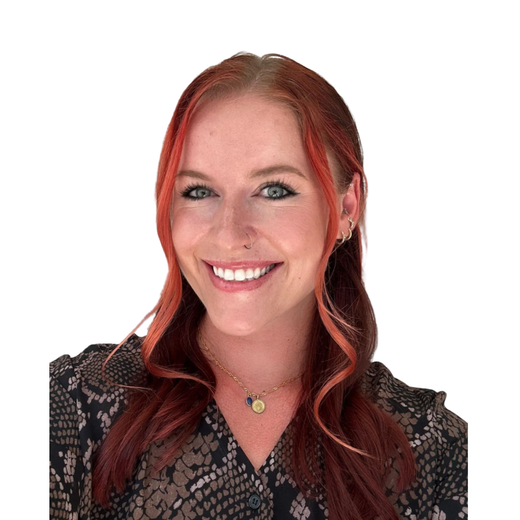
LCMHC
Mood disorders · grief and loss · KAP
Read Emma’s background
LCMHCA, CTP
Depression · anxiety · attachment
Read Colleen’s background
LCSW
Depression · mood disorders · anxiety · 23+ years
Read Sonal’s backgroundMeet the full team → Our Therapists
There is no single best therapy for everyone. The strongest research support belongs to approaches like trauma-informed CBT, and for many people IFS, ACT, somatic work, and DBT skills matter just as much. What helps most is a therapist who matches the method to you rather than forcing you into one. That is what we sort out together in your first sessions.
That is more common than people think, and it does not mean you are stuck for good. When first approaches have not brought enough relief, we look at what may have been missed, and for some people that includes ketamine assisted therapy for depression as one option within a broader plan. A free consultation is a good place to talk it through.
Yes. Long standing depression often needs steadier, longer support, and it does respond. Therapy helps you understand the patterns holding it in place, build tools that actually shift your mood, and lower the odds of the next episode.
Yes. We see clients in person at our Cary office and through secure telehealth anywhere in North Carolina. Many people find it easier to start from a space where they already feel comfortable.
We accept Aetna, Blue Cross Blue Shield, Cigna, Tricare, and United. Tricare and United plans are seen by our fully licensed therapists only. You can see which networks each clinician takes on our team page, and we will confirm your coverage before your first session.
You do not have to feel better before you reach out, and you do not need the perfect words to begin. A free consultation is a low pressure way to meet a therapist, ask your questions, and see how it feels to talk. When you are ready, we are here.